
York County Arrest Warrants Explained
An arrest warrant lets officers take someone into custody and bring that person before a judge. York County cases follow the path Nebraska law spells out. A complainant signs a written complaint. Reasonable grounds must support it. A judge reviews the complaint, the warrant is filed, and an officer is directed to serve it and later make a return. A case can open in County Court even when a felony later proceeds in District Court. A criminal-history report, a jail result, a search-warrant investigation, and an arrest-warrant docket entry each answer a different question, so search your own case in JUSTICE, read the register, and ask the clerk or Sheriff about current local process.
Probable Cause Starts the York County Process
Sections 29-403 and 29-404 let district or county judges and authorized magistrates issue apprehension process when the statutory requirements are met. The York County process starts with a written complaint. A prosecutor or complainant signs it. Reasonable grounds must support it. Under the official pretrial guide, sworn officer material can go to a judge before the complaint and warrant are filed with the County Court clerk. The York County prosecutor's office is a public contact for case process. It is not a warrant roster.
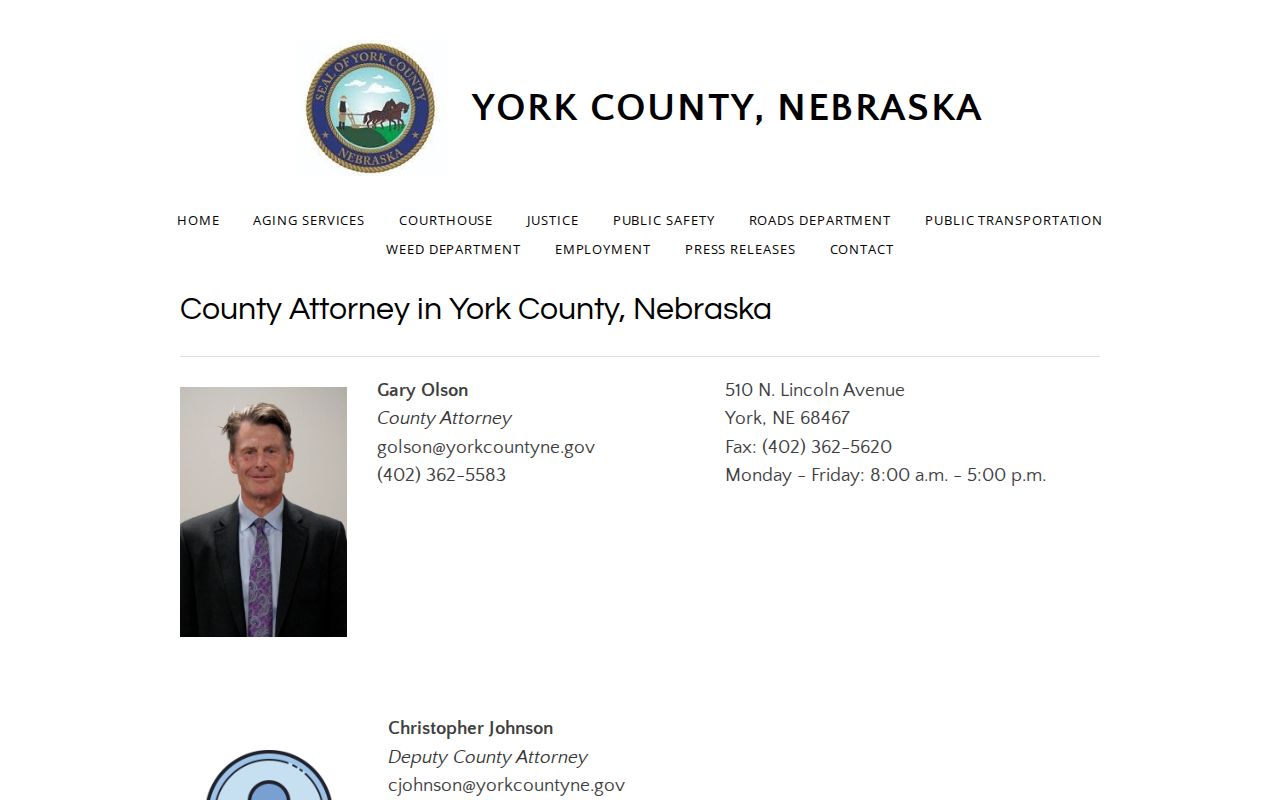
The prosecutor presents the case material. The York County court issues the warrant, and the Sheriff or a police agency executes it.
How York County Arrest Warrants Are Issued
Section 29-406 directs the warrant to a sheriff, city or village marshal, or police officer and commands that the accused be brought before the right magistrate or court. Section 29-407 permits execution anywhere in Nebraska. Section 29-412 then governs the return. The person goes before a magistrate. The officer delivers the warrant with the return, and these steps explain why the York County clerk, the executing agency, and Corrections each hold different records.
| Stage | Record or office | York relevance |
|---|---|---|
| Complaint and review | Judge, magistrate, prosecutor, or complainant | Probable-cause and complaint material |
| Filing | County Court clerk, then District Court if the felony proceeds | Public docket and register route |
| Execution | Sheriff, York Police, or another directed agency | Service and return questions |
| Custody and release | Corrections and court | Booking, bond, hearing, and conditions |
The County Court Clerk Files the Initial Warrant
York County Court handles the first pass on traffic, misdemeanors, ordinances, juvenile matters, and felony preliminaries. Its number is (402) 362-4925. A felony warrant can carry an early County Court trace. The continuing case then moves to District Court. Ask the clerk for the case number, the public register entries, and which court now controls the next appearance. Two offices get confused here. The York County Attorney is a prosecutor's office, while the general County Clerk/Register of Deeds is a separate county office. A judicial warrant question sent to the wrong desk just because it says "clerk" or "attorney" goes nowhere.
What a York County Arrest Warrant Shows
The public case may hold only a summary or register entry. Affidavits, investigative details, and victim information can stay restricted. A York County warrant record can look thin even when plenty sits outside public view.
| Initiating material | Complaint, information, indictment, citation, sworn affidavit, or probable-cause indicator. |
|---|---|
| Issuance | Judge or magistrate, issue date, court, case number, and warrant type. |
| Direction | Sheriff, York Police, city or village agency, or another authorized officer. |
| Release | Bond, appearance conditions, next setting, or judge-set requirement. |
| Return and status | Service, attempted service, return, recall, quash, or later court action. |
| Access | Public, redacted, sealed, juvenile, or clerk-held documents. |
York County Sheriff Service Covers Rural and Village Areas
The Sheriff's official page describes a full-service department covering rural York County and villages without police of their own. Deputies investigate crime and traffic or death matters. They also serve warrants and court orders, handle civil process and extraditions, transport prisoners, and provide court security. That is an execution role. It does not add up to a public online warrant search. The office posts no arrest-warrant roster, no direct warrant line, and no surrender form. For local process questions, call (402) 362-4927. Ask what a self-directed inquiry requires.
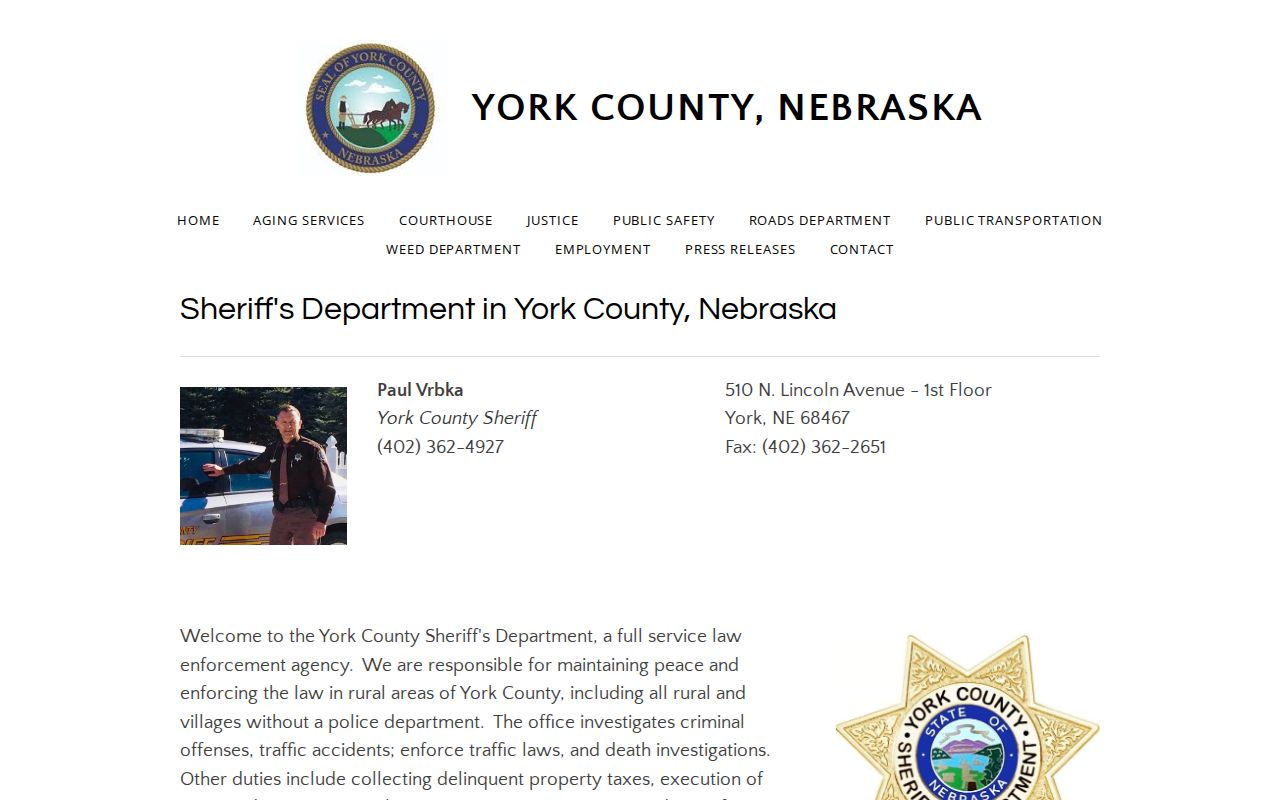
The image reinforces the agency contact route without publishing an individual's case.
A Warrantless-Arrest Affidavit Is a Different Record
Nebraska section 29-404.02 covers arrests made without a warrant. The CC 6:53 Warrantless Arrest Affidavit records the county, case, offense, date, place, officer identity, probable-cause facts, oath, and judicial finding. It is a post-arrest filing. It is not a pre-arrest warrant list, and it does not show that a separate current arrest warrant exists. Search warrants work differently. Sections 29-814.01 and 29-814.04 govern searches of a person, place, or property, and their affidavits or returns can be restricted. Match the record to its type. Go to the York County issuing court or the authorized agency for the specific record.
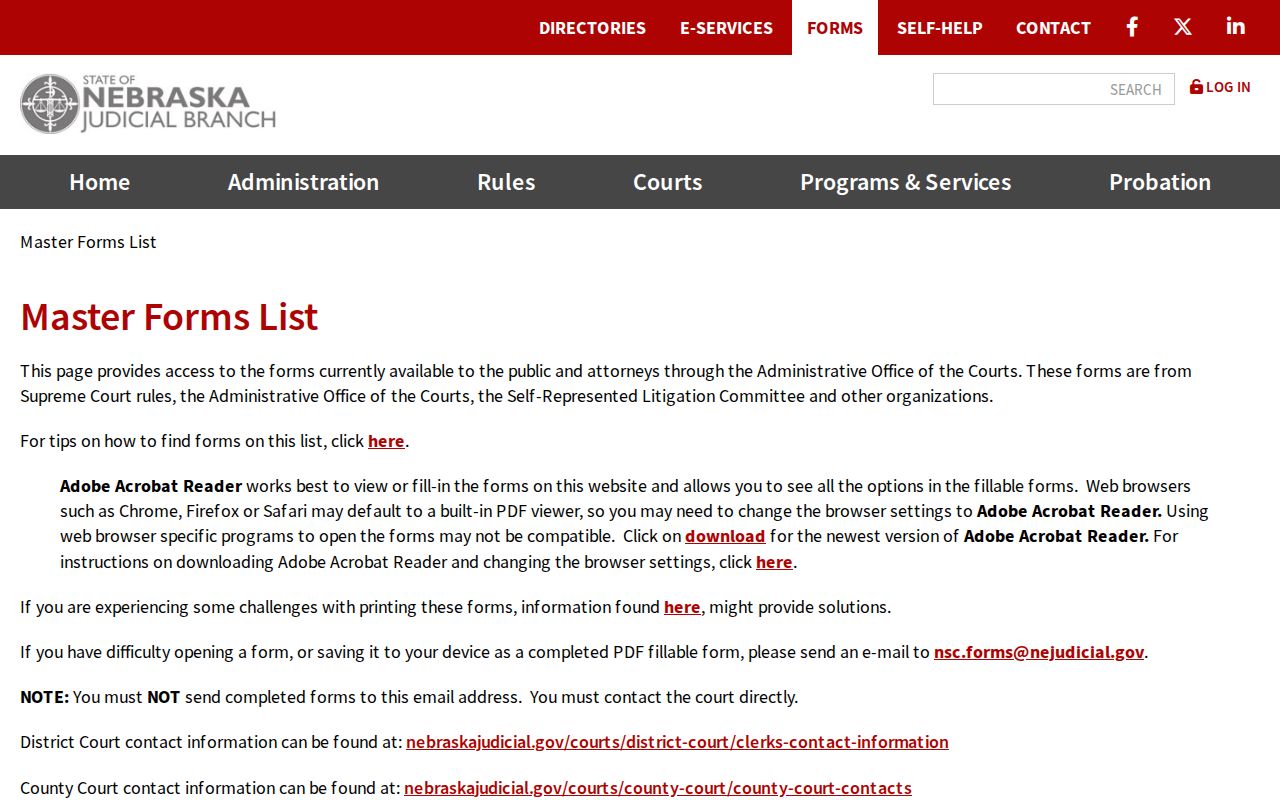
The state forms library groups several York County process types together, so do not blend them into one lookup result.
Arrest Warrants and the York County List Question
York County posts no active-warrant roster and no most-wanted page. A public court search can still show a warrant event. The Sheriff does receive directed process. What the offices publish is not every open warrant. The outstanding warrants page explains the status and roster limits in more detail.
Important: No roster is not the same as no warrants. Confirm a personal case with the issuing clerk, Sheriff, or counsel.
Public Access Does Not Open Every Affidavit
Nebraska's Public Records Act, sections 84-712 through 84-712.09, lets anyone make a targeted request, though exceptions apply. Section 84-712.05 can shield investigative files, confidential material, victim information, and medical records. Juvenile and sealed files face still more limits in York County. The Court Records Search Policy walks through the clerk and kiosk routes. It also warns that a clerk will not certify a "no record" answer. A records request to the judicial custodian works best when you name a case number, a public register, a warrant return, or a releasable order. A City of York or 911 open-records form does not reach the court's file by itself. Leave private names, DOBs, addresses, mugshots, and unredacted attachments out of anything you publish.
Confirm Your Own Arrest-Warrant Question First
Start with the person's own case. Search it in JUSTICE, read the court calendar, then call County Court or District Court with the case number in hand. Ask the clerk directly whether the warrant was issued, served, returned, recalled, or resolved some other way. Corrections, at (402) 362-6628, answers only current custody and bond questions for York County. If the matter looks federal or sits in another county, take it to that jurisdiction's official court and a lawyer there.
Call before traveling: York County does not publish a universal walk-in protocol; ask whether an appearance, bond, or counsel arrangement is required.
An arrest warrant can still end in custody in York County. Bond is not dismissal, payment does not auto-recall, so keep your confirmation and the next hearing date.